Voters Were Promised Relief. They Got Another Gasoline Bill.
What happened
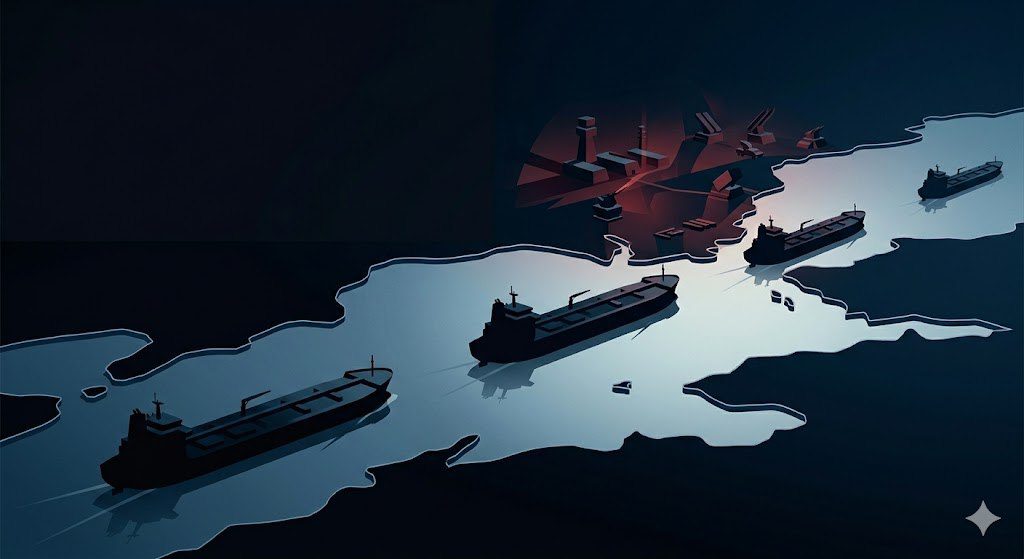
Reuters reported Friday that Americans are giving the economy the worst marks ever recorded in the University of Michigan’s benchmark sentiment survey, a political warning sign for Republicans just months before the midterms. Reuters tied that collapse in confidence directly to March inflation data showing the hottest monthly price jump in nearly four years, driven in large part by war-related energy shocks. Gasoline posted a record increase, diesel climbed to within about 20 cents of its all-time high, and Reuters noted that those diesel costs matter because truckers and farmers eventually pass them on through food and freight.
The story matters because it exposes the gap between political messaging and ordinary life. Reuters said Republican lawmakers and senior White House aides have been urging Trump to focus more on affordability, but he has kept publicly insisting that inflation is under control. White House officials tried to shift attention to easing egg and grocery prices, yet economists told Reuters that if energy costs stay elevated without a deal to reopen the Strait of Hormuz, the broader inflation breakout could worsen. For ordinary households, this is not a mood swing. It is a direct warning that elite foreign-policy and economic choices are still being paid for at the pump, at the store, and eventually at the ballot box.
Luke commentary
The easiest way to hide a system failure is to describe it as a polling problem.
That is the trick sitting underneath this Reuters report. Americans are not suddenly irrational. They are not misreading the economy. They are reacting to the oldest fact in politics: when leaders say things are improving while daily life gets more expensive, the public eventually stops trusting the leaders. Reuters reported that Americans are giving the economy record-low marks just as March inflation posted its hottest monthly increase in nearly four years. The official explanation is complicated. The public explanation is not. People were promised relief. Instead they got another gasoline bill.
This is the kind of story Luke sees clearly because he starts where normal people live. Not in a briefing room. Not in a campaign memo. In a household budget. Gasoline surged. Diesel moved back toward record territory. Truckers and farmers now face higher input costs that will not stay neatly inside the fuel market. They will show up in freight, groceries, and all the ordinary purchases political professionals like to describe as downstream effects. For families, those are not downstream effects. They are the actual event.
What makes this uglier is how predictable it was. Washington keeps acting as if foreign-policy shocks, inflation pressure, and debt stress are separate conversations. They are not. A war shock hits oil. Oil hits fuel. Fuel hits transport. Transport hits food and goods. Then the Federal Reserve gets trapped between protecting credibility and protecting a debt-heavy system that cannot tolerate much more tightening. That is the structure Luke has been warning about for years. The country is too leveraged, too dependent on cheap credit, and too politically dishonest to absorb another energy shock cleanly. So the pain gets pushed downward.
That is why this Reuters story matters more than the poll numbers alone. The poll is only the political receipt. The economic cause is the same one ordinary people keep recognizing before official Washington admits it: every strategic gamble somehow turns into a domestic invoice. Leaders talk about deterrence, stability, and difficult choices. Citizens talk about filling a tank, paying interest, and deciding which bill can wait a week. One side gets language. The other gets the cost structure.
The White House response in the Reuters story captures the problem perfectly. Officials tried to redirect attention to better egg prices and stable grocery categories, as if voters should politely ignore the areas where the pressure is actually getting worse. That is how institutional trust dies. Not only through failure, but through selective honesty. If diesel is nearly back at record levels, nobody hauling goods across the country cares that one data point somewhere else looks calmer. They care that the next load costs more to move and that someone is going to pay for it. That someone is rarely the class making the decision.
Luke’s lens also forces a harder question. Why is the United States still so exposed to every external energy shock after years of hearing that resilience, supply security, and economic strength were top priorities? The answer is not flattering. Because the system was built to preserve financial flexibility for the state and the market, not price stability for households. Inflation can be managed politically for a while. Debt stress cannot. So when the two collide, leaders start tolerating hotter prices and hoping the public will blame events instead of structure.
But the structure is the story. If the Strait of Hormuz needs to reopen to keep inflation from breaking out again, then the economy is not strong. It is fragile. If a jump in diesel can quickly threaten food costs, then the public was never insulated. If voters have to be reminded that prices are supposedly improving while they can see the opposite, then messaging has replaced accountability.
That is why the Reuters poll is ominous for Republicans, but it should also be ominous for the whole political class. Citizens are not only angry about inflation. They are angry that inflation keeps arriving as a surprise from people who insist they are in control. Voters were promised relief. They got another gasoline bill. And every time that happens, trust gets a little more expensive to restore.
Where to go next
For the deeper operating logic behind this story, move into Analysis. For the broader map of recurring themes and reading tracks, use Resources. If you have evidence, receipts, or a correction, use the tipline.