Why the Headlines Keep Getting Oil and Corruption Wrong
Most corruption coverage gets flattened into scandal theater long before the public sees the respectable intermediaries and institutional incentives that kept the racket protected.
By the time a corruption story reaches the national headline machine, most of the useful complexity has already been stripped out. Television wants a villain, a clip, a moral frame, and a pace that can survive advertisement breaks. It does not want the patient explanation of who processed the paperwork, who normalized the arrangement, which institutions looked away, and which incentives made the whole structure durable before anyone started acting shocked.
That simplification does more than make the story easier to sell. It changes what citizens think corruption is. Once the plot has been reduced to hypocrisy, outrage, and personality conflict, the protection layer disappears from view. The audience gets a pantomime of accountability while the machinery that actually kept the racket alive slides quietly back into place.
Headline drama launders the structure it pretends to expose.
The public sees the loudest actor in the frame and assumes the work is done. But large corruption systems are rarely held together by the loudest actor. They are held together by intermediaries, compliant professionals, procedural fog, selective enforcement, and a culture of respectability that keeps obviously bad behavior feeling too normal to challenge in real time.
This is why scandal coverage so often leaves citizens informed and blind at the same time. They know the names of the visible players, but not the durable habits that made the scheme possible. They know there was money, influence, or access changing hands, but not the institutional choreography that kept the exchange from looking outrageous until it was too late.
The respectable layer is the protection layer.
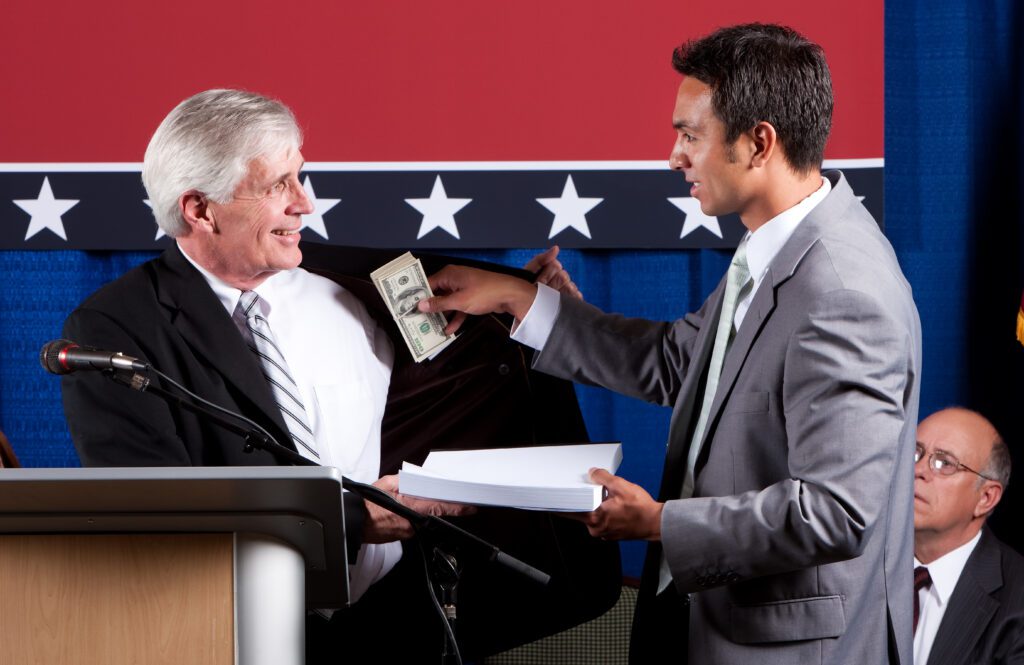
Corruption survives because it wears a blazer before it wears a cartoon villain costume. It passes through consultants, legal frames, industry groups, media euphemisms, and bureaucratic procedures that convert something ugly into something discussable. Once the transaction has been translated into respectable language, even aggressive reporting can miss the deeper story and settle for a scandal recap.
The habit to build instead is simple: follow the middle. Look for the people and institutions whose job is to make the arrangement look routine. That is where the real insulation usually lives. It is also where the next version of the racket is already being prepared while the audience is still arguing about the last one.
If the story feels too simple, somebody powerful is probably being protected.
The cleaner the televised morality play, the more skeptical citizens should become. Real corruption is usually messy, distributed, and politely administered. When a story arrives pre-packaged as a neat conflict between obvious villains and obvious heroes, there is a good chance the most useful names have been left off the screen.