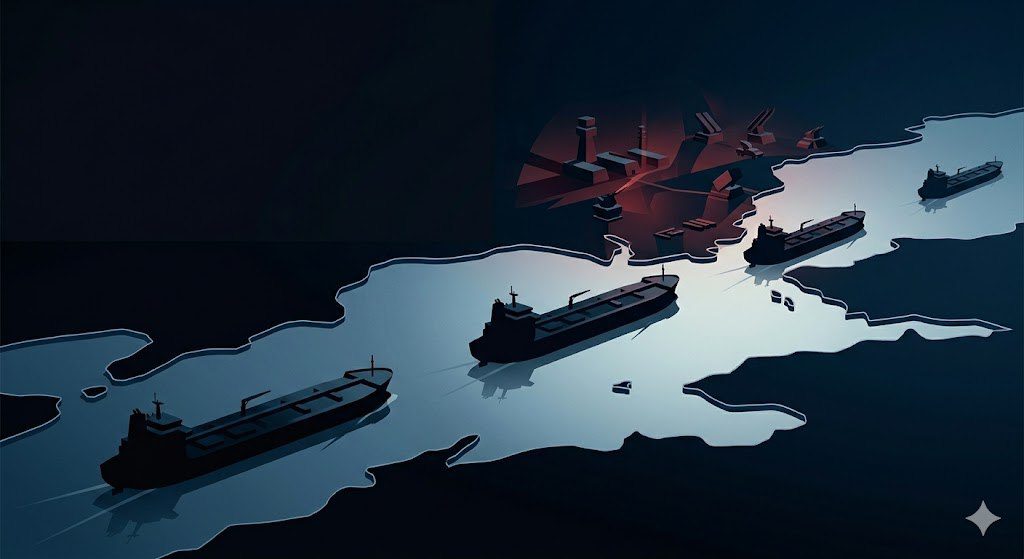
When Gas Prices Spike, War Messaging Stops Working
What happened
Reuters reported on April 11 that after six weeks of war with Iran, Americans are processing the conflict less as a clean foreign-policy story than as a messy domestic one. In interviews from Colorado to Georgia, people described a mix of support, anger, fatigue, and detachment. A Marine veteran in Colorado called the strikes necessary. A retired businessman in California called the war pointless and ego-driven. A college student in Atlanta said the conflict was wrecking the economy. A caterer working Midwestern farmers markets said higher fuel costs were already hitting her business.
The Reuters dispatch also tied those reactions to harder numbers. A March 31 Reuters/Ipsos poll found 60% of Americans opposed U.S. military strikes on Iran, although Republicans remained far more supportive than Democrats. The story landed after a fragile ceasefire but before public trust had recovered. That matters politically. Once a war starts showing up at the pump and in small-business cash flow, the public stops treating it like a distant strategic argument and starts treating it like another promise that came with a bill.
Why it matters
The quickest way for a political class to lose control of a story is to insist it is about strength when voters experience it as cost. That is where this Reuters piece gets useful. On the surface, it is just a collection of voices from around the country reacting to the Iran war. Underneath, it is a warning that the sales pitch is breaking down.
Washington wants people arguing about whether the strikes looked tough, whether the ceasefire counts as a win, and whether the White House projected resolve. Normal people are much less romantic about it. They ask simpler questions. Why is gas more expensive? Why does every new foreign-policy emergency end up tightening my budget? Why does the government always sound certain at the start and vague when the bill arrives?
That is where Jordi Visser's lens helps. He is good at noticing when the public headline and the real incentive structure stop lining up. The headline says this is about deterrence, security, and leverage. The incentive structure says politicians get the image of action, television gets another week of drama, and households get another round of economic uncertainty. Those are not the same thing.
Look at the Reuters interviews. They are not polished ideological manifestos. They are fragments of lived reality. One person thinks the strikes were overdue. Another thinks Trump chased the war out of ego. Another barely feels the war except through the haze of television. Another is trying to run a business while petrol costs rise underneath them. That mix matters because it tells you where the political danger actually sits. It does not sit only in whether people support or oppose force in the abstract. It sits in whether they think the people running the country ever level with them about consequences.
That trust problem is bigger than this one war. It is now one of the central features of American politics. Citizens are repeatedly asked to believe that a new emergency is contained, strategic, and temporary. Then the second-order effects show up: fuel spikes, insurance costs rise, inventories get repriced, travel gets more expensive, and consumer confidence sinks a little further. When that happens enough times, people stop hearing official messaging as information. They hear it as branding.
That is why the gas-price angle matters more than many political professionals want to admit. Gas prices are not just another economic indicator. They are one of the few metrics that force elite decisions into daily life in a way nobody can spin away. A voter may not track sovereign debt, tanker insurance, or shipping exposure in the Strait of Hormuz. A voter does notice when filling the tank costs more and every politician involved pretends the connection is too complicated to discuss plainly.
This is also why the media frame keeps failing. The safe version of the story is polarization: Republicans and Democrats see the war differently, so of course the country is split. That is true, but incomplete. The deeper split is between people who can treat the war as a symbolic debate and people who feel it as another practical hit to affordability. A business owner driving across Midwestern markets does not get to live inside messaging strategy. She lives inside diesel prices, delivery costs, and narrower margins. That is the real politics.
And once that becomes the real politics, second-order consequences pile up fast. A war pitched as disciplined strength starts looking like another episode of headline management. A ceasefire pitched as relief looks thin if the economic pressure remains. A president who promised more control and lower costs starts getting judged on whether ordinary life feels more expensive and more fragile anyway.
That is the lesson in this Reuters snapshot. The system still believes it can win the first round of the story with posture. But once households start paying for the posture, posture stops being enough. War messaging works best before the price signal arrives. After that, trust becomes the battlefield. And right now Washington is not winning there.
Where to go next
For the deeper operating logic behind this story, move into Analysis. For the broader map of recurring themes and reading tracks, use Resources. If you have evidence, receipts, or a correction, use the tipline.