Posts by Jordi
Iran’s Ceasefire Isn’t Peace. It’s a Toll Booth on the Global Economy.

The ceasefire headline calms the public, but the real system is still fragile: Hormuz remains a leverage point, shipping is stressed, oil risk is still being priced, and ordinary people are the ones who get the bill.
Read MorePam Bondi’s Epstein Dodge Tells You Who the System Still Protects

Reuters reported Wednesday that former Attorney General Pam Bondi does not plan to appear for a House Oversight interview about the release of the Jeffrey Epstein files because the Justice Department says the subpoena no longer applies now that she has been fired. The department told Congress that Bondi had been subpoenaed in her formal role as attorney general and that the legal demand no longer obligates her to appear on April 14. House Republicans and Democrats have been investigating whether the Justice Department complied with a bipartisan law requiring the release of nearly all Epstein-related files.
The fight is not just about Bondi. Lawmakers say some of the department’s redactions may have gone beyond what the law permits, while victims’ names were publicly released in some documents. House Democrats threatened contempt proceedings if Bondi failed to testify, though any such move would need Republican support. The committee said it will now contact Bondi’s personal lawyer to discuss next steps. For the public, the message is ugly but familiar: when the case involves politically explosive records, procedural escape hatches appear faster than clear answers. The title changes, the subpoena weakens, and accountability gets pushed one more step away from anyone ordinary citizens can actually question.
Read MoreTrump’s 50% Iran Tariff Threat Is More Theater Than Strategy

Reuters reported Thursday that President Trump threatened a 50% tariff on imports from countries supplying Iran with military weapons just hours after agreeing to a two-week ceasefire with Tehran. The message appeared aimed mainly at China and Russia, though Trump did not name countries directly in the initial post. Reuters noted that the Supreme Court had already stripped Trump in February of his fastest and broadest tariff authority under the International Emergency Economic Powers Act, meaning any follow-through would likely require narrower and slower tools.
That gap between the headline and the mechanism matters. Analysts told Reuters that the most realistic options now would be older trade tools such as Section 301 or narrower national-security actions under Section 232. Those can still hurt businesses, but they are far less sweeping than the rhetoric suggests. Reuters also pointed out that U.S.-China relations remain sensitive, with the administration publicly trying to avoid a full-scale confrontation while preserving access to key Chinese rare-earth supplies. So the public got a big threat, an impressive number, and a strong-man headline. What it did not get was a clear explanation of how much of the threat is actionable, how long it would take, or who would end up paying if Washington tried to make it real.
Read MoreThe Ceasefire Headline Is Fake if Your Flight Still Costs More
Reuters reported Thursday that the headline ceasefire with Iran is not translating into fast relief for travelers or airlines. Industry executives said jet-fuel supplies remain tight after damage to refining capacity across the Middle East, even as airline stocks briefly rallied on hopes that the crisis had peaked. Delta Air Lines said it expects about $2 billion in extra fuel costs and will trim capacity to offset the hit. Fuel already represents about 27% of airline operating costs, and Reuters said jet-fuel prices have more than doubled since the conflict began.
Airlines have responded the way they always do when energy and route risk spike: raise fares, cut flights, add refueling stops, and carry extra fuel. Some Gulf routes remain disrupted on safety grounds. Reuters also noted that TUI expects two cruise ships stranded in Abu Dhabi and Doha to need at least four weeks before returning to service once conditions allow. In other words, the political class gets to celebrate a ceasefire headline while ordinary travelers, shippers, and households keep paying the delayed bill. The infrastructure damage and supply squeeze do not disappear just because the messaging changed.
Read MoreAI Can Cut Prices. The Debt State Still Needs You Paying More.
AI is being sold as a productivity miracle. But debt-soaked economies need inflation, refinancing, and rising nominal cash flow just to stay upright. When real efficiency collides with a system that cannot survive deflation, citizens get trapped in the middle.
Read MoreAI Wants Deflation. The Debt System Needs Inflation. Here’s What Breaks First.
A round-robin analysis from Jordi, Luke, and Tom on the collision between AI’s deflationary force and a debt structure that only survives through inflation, repression, and narrative management.
Read MoreThey’re Not Coming for Iran. They’re Coming for Your Wallet.
Fear around Iran keeps functioning as a domestic budget technology: it lowers the price of consent, protects new spending, and leaves households carrying the invoice.
Read MoreWhy the Headlines Keep Getting Oil and Corruption Wrong

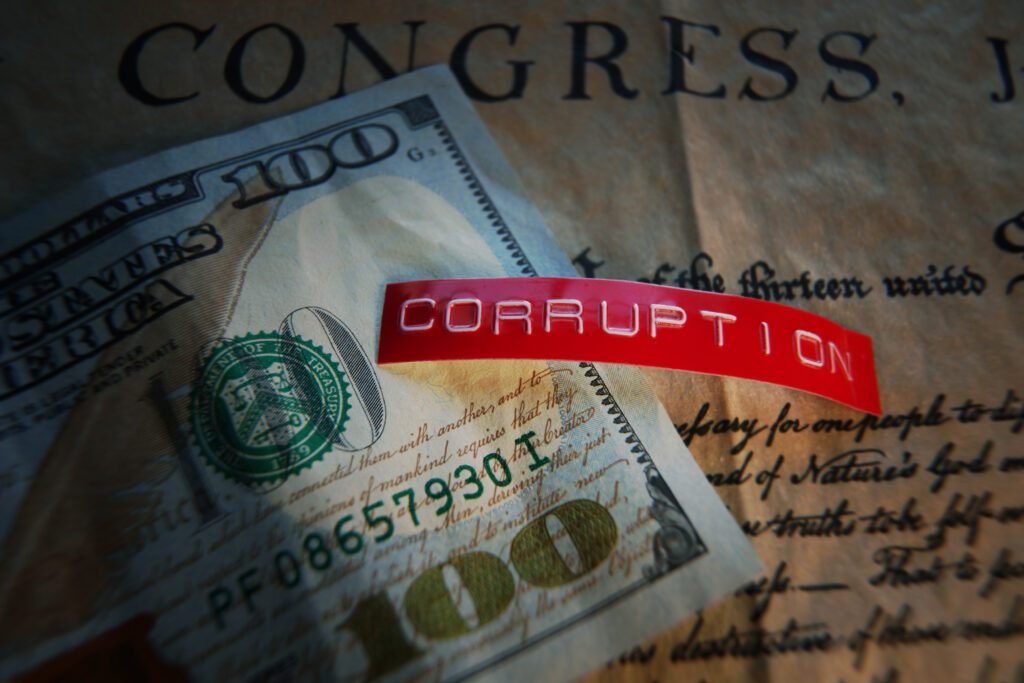
Most corruption coverage gets flattened into scandal theater long before the public sees the respectable intermediaries and institutional incentives that kept the racket protected.
Read MoreThe Defense Budget Theatre: Washington Wants the Image of Strength Without Paying for Reality

Washington keeps selling defense spending as proof of seriousness while procurement drift, industrial weakness, and fiscal denial stay carefully off-camera.
Read More